-
Desi Cow: A Valuable Heritage and Its Multifaceted Benefits
Desi cow are indigenous Indian valued for their A2 desi cow milk which gives strong immunity, and role in sustainable farming.
India has a long-standing cultural, agricultural, and economic relationship with the desi cow (indigenous cow breeds).Desi cow are highly valued for a2 desi cow milk, desi cow ghee, desi cow dung cake etc.
Desi cow in India
India has a long-standing cultural, agricultural, and economic relationship with the desi cow (indigenous cow breeds). Unlike exotic or crossbred varieties, desi cows are naturally adapted to the Indian climate, resistant to local diseases, and play a crucial role in sustainable rural living. Their importance goes far beyond milk production—they are central to health, agriculture, and traditional practices.
Sant shree asharamji bapu is having several desi cow shelters (desi cow gaushala) to protect them.
What is a Desi Cow?
Desi cows refer to native Indian breeds such as Gir, Sahiwal, Red Sindhi, and Tharparkar. These breeds have evolved over centuries under Indian environmental conditions. A key distinguishing feature is the presence of a hump (called Surya Ketu Nadi in traditional belief), which is associated with certain unique biochemical properties in their milk.
Nutritional and Health Benefits of Desi Cow Milk
Desi cow milk is often considered superior due to the presence of A2 beta-casein protein, which is easier to digest compared to A1 protein found in many foreign breeds.
Key benefits:
- Better digestion: Suitable for children, elderly, and lactose-sensitive individuals.
- Boosts immunity: Rich in antioxidants and essential nutrients.
- Supports brain development: Contains omega-3 fatty acids beneficial for cognitive function.
- Heart-friendly: Helps in maintaining good cholesterol levels.
Panchagavya: The Five Products of the Cow
Desi cows provide five major products collectively known as Panchagavya, widely used in Ayurveda and agriculture:
1. Milk
Consumed directly or used to make curd, butter, ghee, and sweets.
- Used in religious rituals and traditional medicine.
2. Curd (Dahi)
- Acts as a probiotic, improving gut health.
- Enhances digestion and nutrient absorption.
3. Ghee
- Considered highly nutritious and medicinal.
- Used in cooking, Ayurveda therapies, and even in rituals like yajnas.
- Known to improve memory and metabolism.
4. Cow Urine (Gomutra)
- Used in traditional medicine for its claimed detoxifying properties.
- Found in some herbal for/mulations.
5. Cow Dung
- Used as an organic fertilizer, enriching soil fertility.
- Acts as a natural pesticide.
- Used as fuel (dung cakes) and in eco-friendly construction (plastering floors/walls).
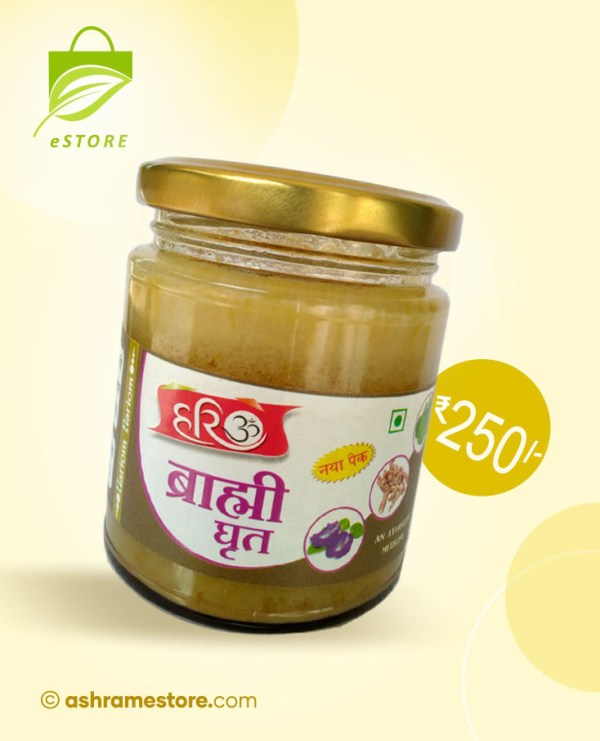
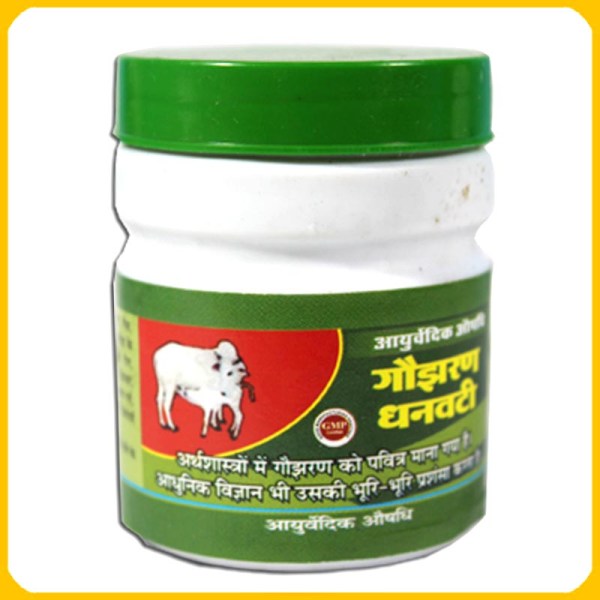
In sant shree asharam bapu ji ashram, as per guidance of pujya bapu ji desi cow panchagavya,and various panchagawya based medicines are produced.Other products such as Gau jharna ark,Gau jharna vati,desi cow dunk cakes, piyush ghee are produced. 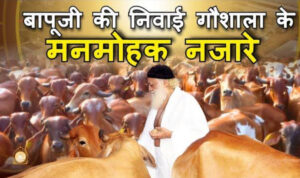
4. Agricultural and Environmental Benefits
Desi cows are central to organic and sustainable farming:
- Natural fertilizer: Cow dung improves soil structure and microbial activity.
- Eco-friendly pest control: Mixtures made from cow urine and dung act as natural pesticides.
- Reduces chemical dependency: Promotes chemical-free agriculture, preserving soil health.
5. Economic Importance
For rural households, desi cows are a reliable source of income:
- Sale of milk and dairy products.
- Production of organic fertilizers and biogas.
- Low maintenance cost compared to exotic breeds.
6. Cultural and Traditional Significance
In Indian tradition, cows are often regarded with respect and are associated with prosperity and well-being. Their products are used in festivals, rituals, and Ayurveda, reflecting a deep integration into daily life.
Conclusion
The desi cow is not just a milk-producing animal but a holistic contributor to health, agriculture, economy, and culture. With growing awareness about sustainability and natural living, the importance of indigenous cow breeds is being rediscovered. Promoting and protecting desi cows can support both environmental balance and human well-being in a meaningful way.
According to pujya bapu ji “ We do not nurture the cow, rather the cow nurtures us”
some products of desi cow from sant shree asharamji ashram –



Leave a Reply